PanelPicker · Community voting open
AI Can’t Take the Blame:
The Rise of Accountability Careers
We advise students by guessing which skills will survive. That may be the wrong unit. As AI takes over more of the decisions that carry consequences, institutions still need a human who can be held answerable, someone with credentials and standing they would fight to keep. You can’t fire a system. This session argues that career capital, not skills, is the durable asset for Gen Alpha.
Voting closes August 23, 2026 · one vote per account
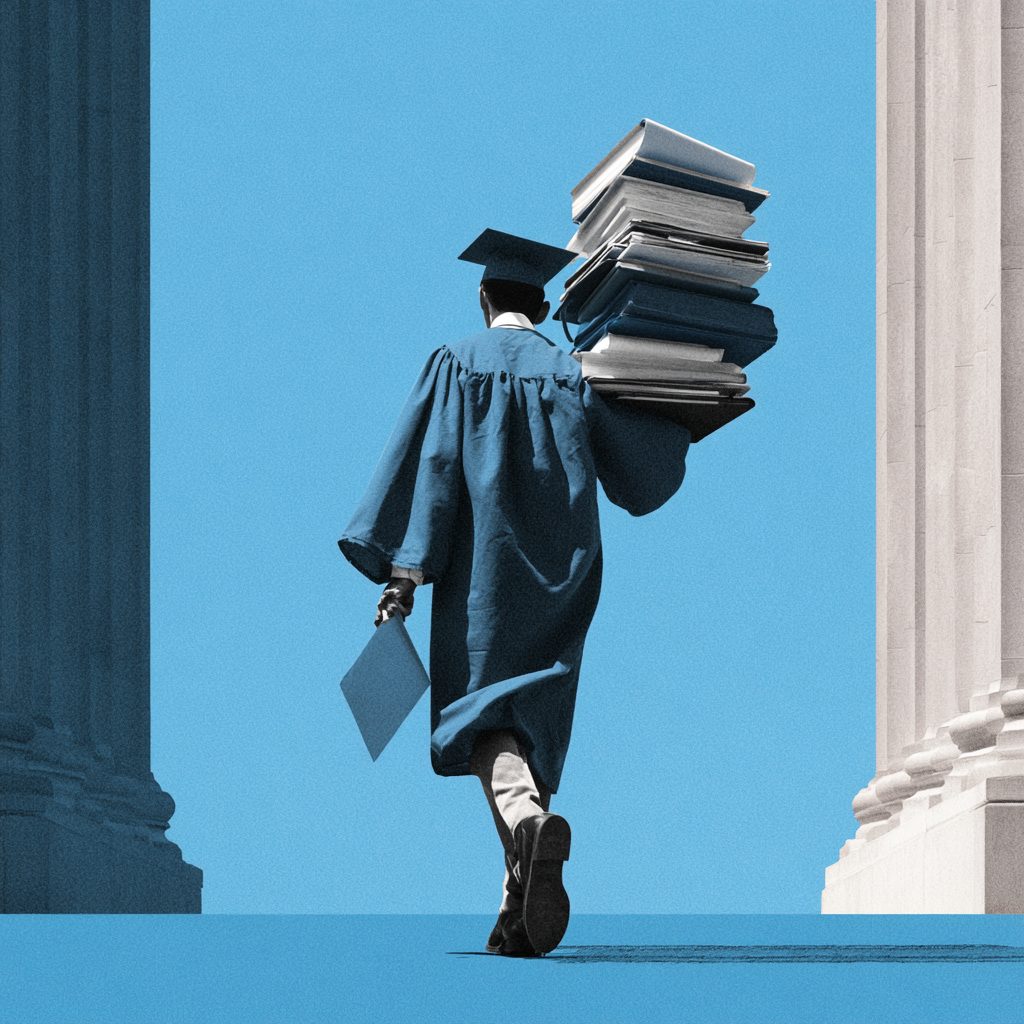
The premise
Every forecast about AI and work asks which skills will still be needed. For a student choosing a path right now, that framing keeps failing, because the skill lists get revised faster than a degree takes to finish. There is a steadier question underneath it: what can AI hold?
Certain careers accumulate something personal over years. Board certification, bar admission, professional licensure, standing in a field, an advancement trajectory. Call it career capital. Its defining property is that it can be taken: by clawback, license revocation, industry ban, dismissal, criminal indictment. That exposure looks like a liability. It is the whole value.
Because as AI systems make more of the consequential decisions, someone still has to answer when one of them causes harm. You can’t fire a system. It has no license to revoke, no reputation to lose, and therefore no reason to slow down and check. Institutions close that gap by installing humans whose own careers are staked against the outcome. It is precisely because those people have something to lose that the public gets protected at all.
The session names this category accountability careers and argues it is where durable work concentrates. It draws on a June 2026 working paper synthesizing moral psychology, procedural and interactional justice, AI governance, and responsibility-gap philosophy.

You can’t fire a system.Why the accountability has to land on a human career
Where the
stakes are real
The session works through three domains where AI already makes consequential calls. Each one raises what is at stake, and with it the amount of career capital that has to be posted before anyone will accept the decision as legitimate.
- 01 Algorithmic hiring and firing A qualified applicant is screened out. The question isn’t whom to complain to. It’s whom you can appeal to. Standing required
- 02 Clinical AI in healthcare A diagnostic tool flags a patient low-risk and is wrong. Whose license and malpractice premium absorbs it? License exposed
- 03 Corporate disaster Who sits at the witness table? Clawbacks, lifetime industry bans, criminal indictment: consequences with actual bite. Paradigm case
What you’ll
leave with
-
A better unit than “future-proof skills”
Why skill-based forecasting keeps expiring on students mid-degree, and what changes in an advising conversation when you talk about career capital instead: credentials, standing, and the trajectory that accumulates them.
-
The paths that actually accumulate it
Licensed health professions, regulated legal tracks, professional engineering, senior public administration, compliance, audit and risk plus the fast-professionalizing AI governance, algorithmic auditing, and trust-and-safety roles Gen Alpha will be graduating into.
-
How to spot the hollow version
Some roles are built to absorb blame without conferring real standing. A student steered into one carries the exposure without the asset. You’ll leave with a diagnostic for telling a substantive accountability career from a credential being used as cover.
-
The access problem, named out loud
These paths run through medical school admissions, bar admission, board appointments, and executive succession ladders. Recommending them without addressing the gatekeeping is advice that only works for some students. We’ll talk about what that requires of counselors and programs.

Who’s presenting
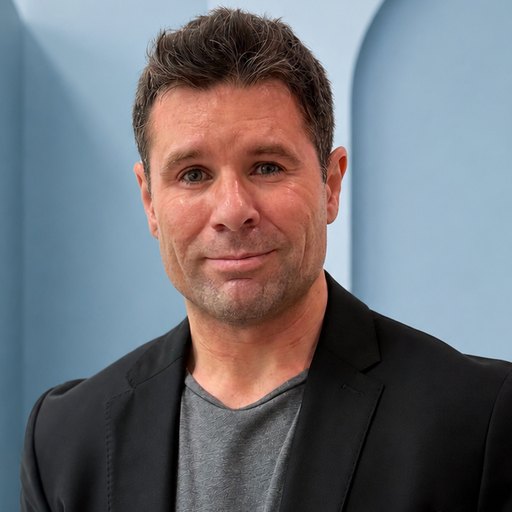
Will O’Kane
Assistant Research Professor · Auburn University
Will O’Kane researches interventions that build Generation Alpha’s resilience to the education and labor-market disruption AI is producing. His work centers on what holds up for students making post-secondary decisions under conditions no one can forecast cleanly, and on what schools, counselors, and families can do about it now. A June 2026 working paper from that corpus introduces accountability careers, arguing that career capital, the credentials and standing a professional would fight to keep, is the asset AI structurally cannot hold.